What does “under-the-skin acne” actually mean?
People often use this phrase for any bump without a visible head, but these bumps are not all the same. They may be clogged pores, deeper inflamed pimples or something that is not acne at all. Identifying the type matters because each one may need a different approach.
How can you tell the difference?
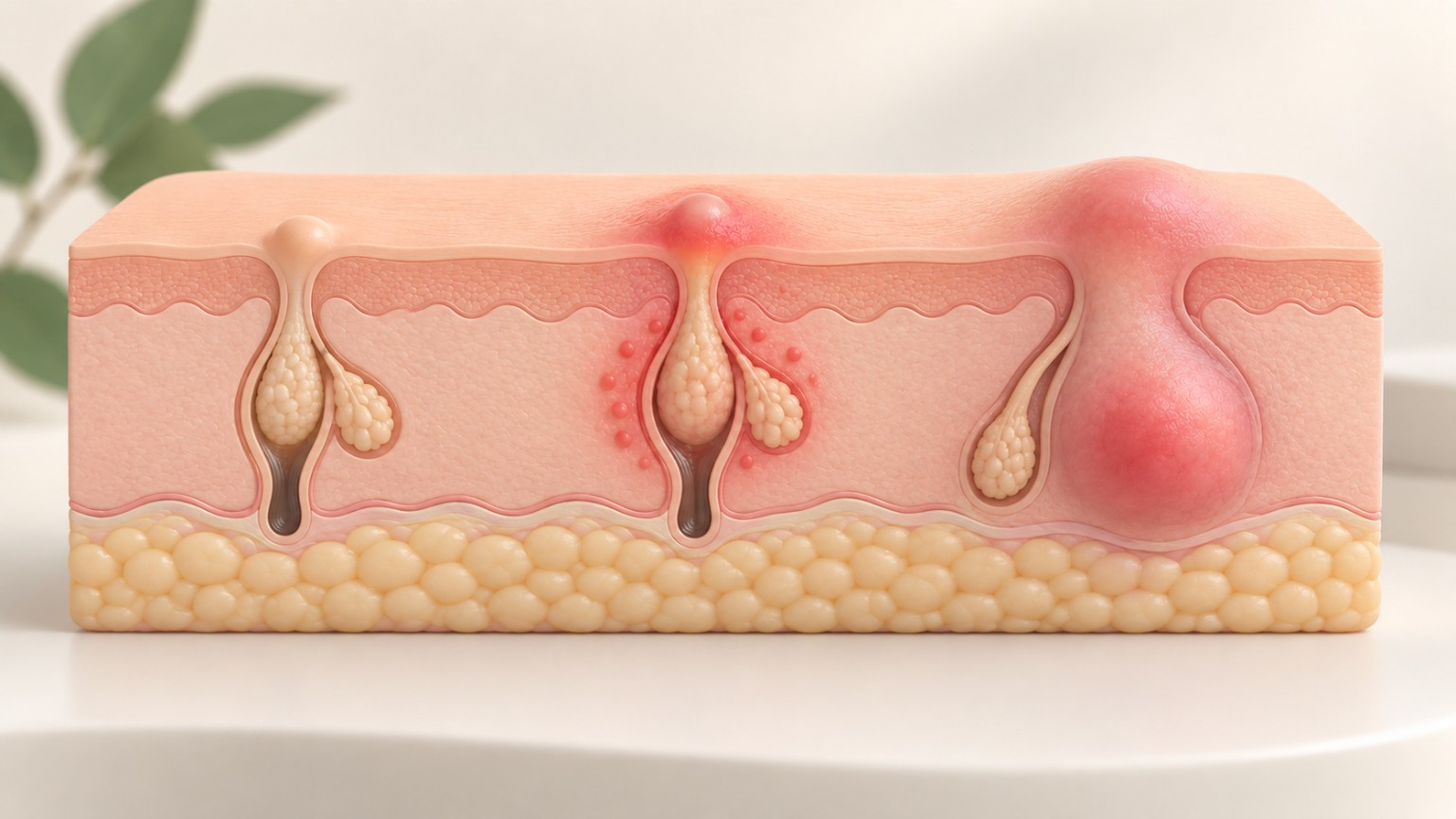
1. Closed comedones or whiteheads
These usually appear as small flesh-coloured or white bumps without significant pain or redness. They form when oil and dead skin cells block the opening of a pore.
2. Deep inflamed pimples
These bumps are red, tender or painful and may eventually develop a visible head. The inflammation extends deeper than a simple clogged pore, so treating congestion alone may not be enough.
3. Nodules or cystic acne
These are large, deep and painful lesions that may persist and leave scars or dark marks. They should be assessed by a dermatologist rather than treated through trial and error at home.
4. Small bumps that may not be acne
Very uniform or itchy bumps could be folliculitis, milia, product irritation or another skin condition. If they look unusual or do not respond to acne care, a professional diagnosis is the safest next step.
Why does the distinction change the treatment?
An ingredient that helps unblock pores may not be sufficient for deep inflammatory acne. Using the wrong treatment can irritate the skin without addressing the actual cause.
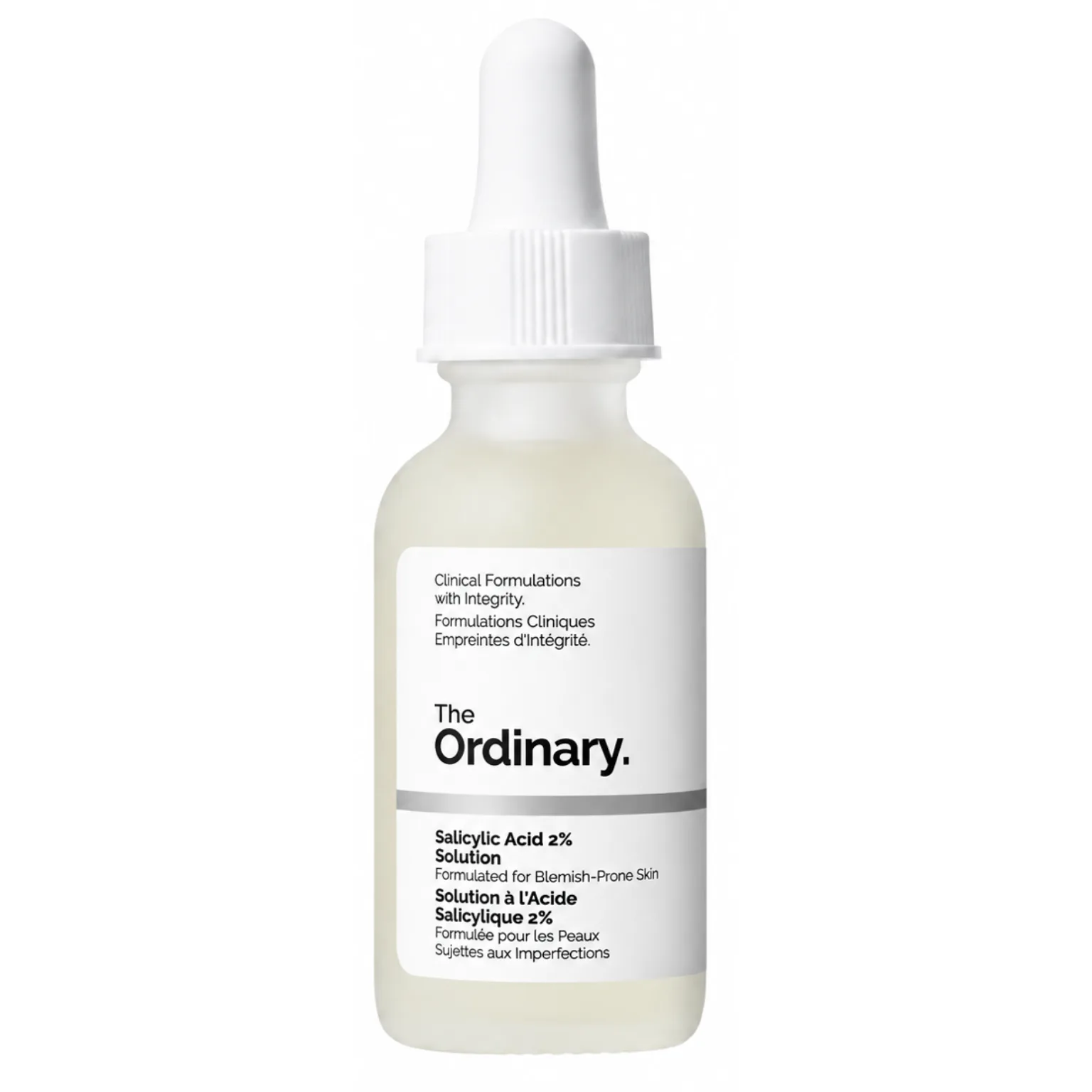
Salicylic acid
Salicylic acid is most useful for whiteheads, blackheads and mild congestion because it helps remove accumulated cells from inside the pores. Introduce one product gradually, especially if your skin is sensitive or dry.
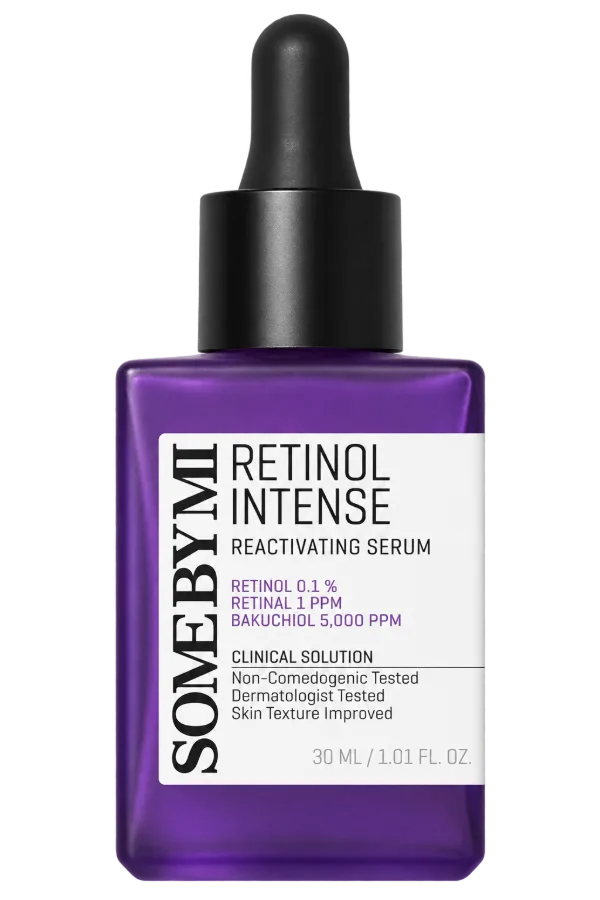
Retinol
Retinol may be more suitable for recurring congestion and uneven texture because it supports cell renewal and can gradually reduce the formation of clogged pores. Cosmetic retinol is usually gentler and slower than medicinal acne retinoids, so persistent acne may require professional treatment.
Retinol and other retinoids should not be used during pregnancy. Ask your doctor for guidance if you are pregnant or planning a pregnancy.
Benzoyl peroxide
Benzoyl peroxide is generally more useful for red, inflamed breakouts because it reduces acne-associated bacteria and inflammation. It can cause dryness or irritation, so begin gradually with an appropriate strength.
What should you avoid?
- Do not squeeze pimples, as this can increase inflammation, scarring and post-acne marks.
- Avoid harsh scrubs intended to force congestion out of the skin.
- Skip lemon juice, toothpaste and untested home remedies.
- Do not introduce salicylic acid, retinol and benzoyl peroxide simultaneously.
A simple routine based on the type
For whiteheads and mild congestion:
Use a gentle cleanser, introduce salicylic acid gradually, moisturise and apply sunscreen every morning.
For recurring clogged pores:
Use a gentle cleanser and moisturiser, then introduce retinol gradually on separate nights at first. Apply sunscreen daily.
For red, inflamed pimples:
Keep the routine gentle and introduce benzoyl peroxide gradually. Avoid scrubbing and excessive exfoliation. See a dermatologist if the inflammation is widespread or persistent.
When should you see a dermatologist?
Seek professional care if your acne is deep or painful, leaves scars, covers a large area, appears suddenly or does not improve after several weeks of suitable care. Nodular or cystic acne should be treated early to reduce the risk of permanent scarring.
Optional next steps from LADY SELENA
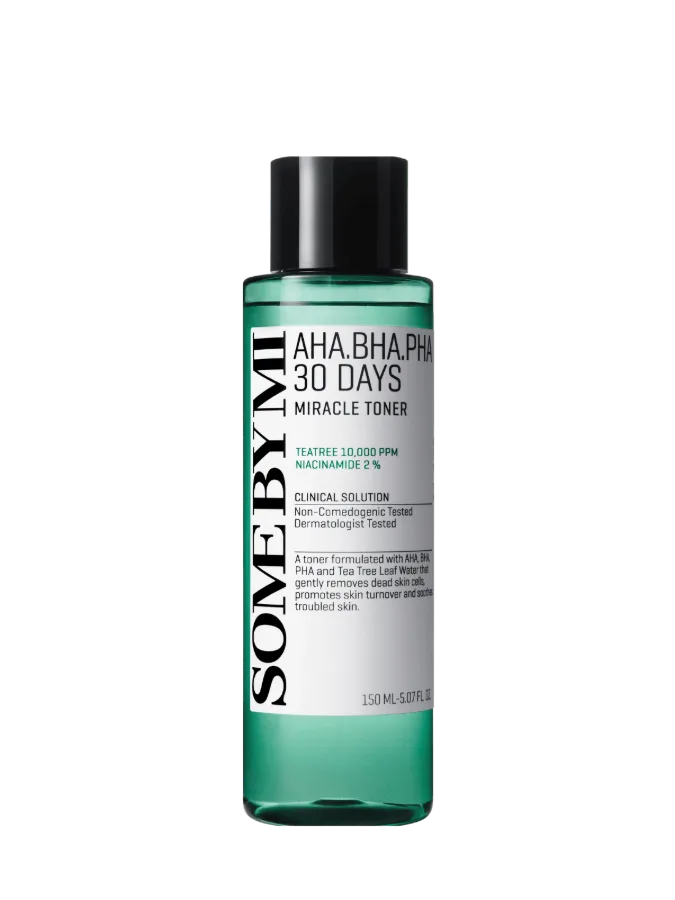
For clogged pores and whiteheads, consider one salicylic-acid option such as The Ordinary Salicylic Acid 2% Solution, or a gradual exfoliating option such as SOME BY MI AHA-BHA-PHA 30 Days Miracle Toner.
For recurring congestion, SOME BY MI Retinol Intense Reactivating Serum may be an option after confirming that retinol is suitable for your skin.
Start with one treatment step rather than layering everything together. The right choice depends on the type of breakout and your skin’s tolerance.
Sources:
American Academy of Dermatology: How to treat different types of acne
American Academy of Dermatology: Acne skin-care tips
DermNet: Acne treatment