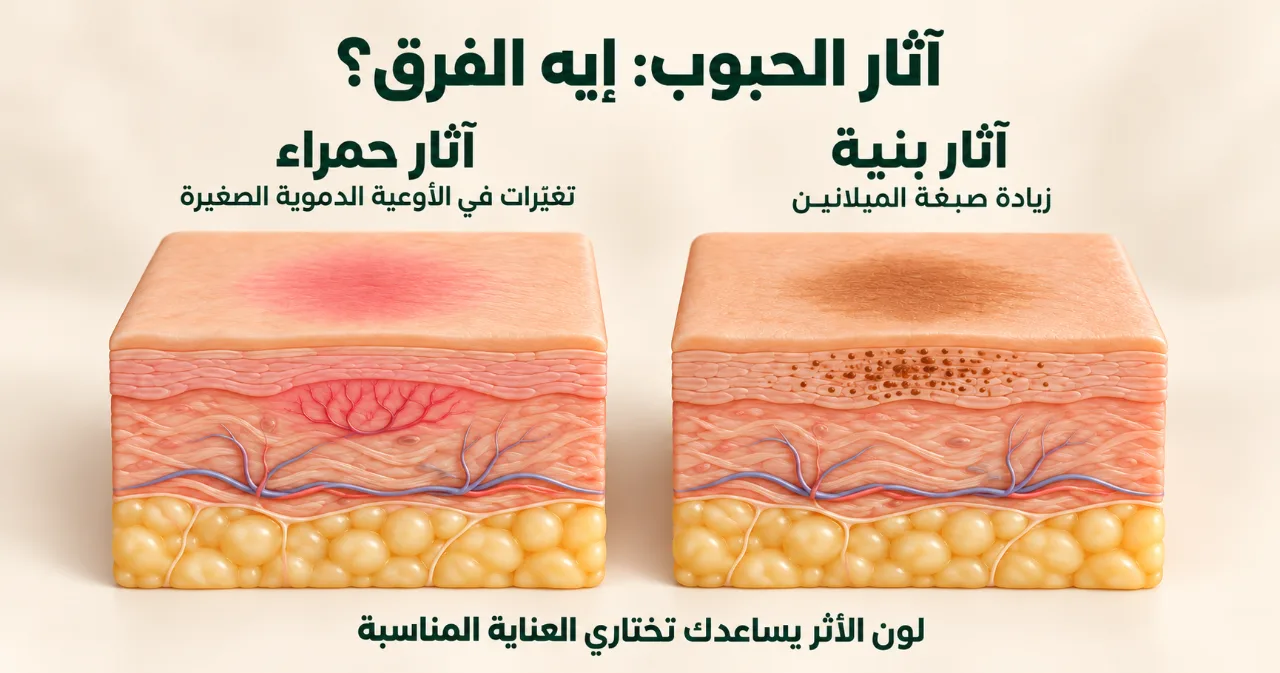
Knowing the difference helps you choose ingredients that address your concern and build a routine with a clear purpose.
What Is the Difference Between Red Acne Marks, Dark Spots and Acne Scars?
Dark spots: post-inflammatory hyperpigmentation
These are flat marks that look darker than your natural skin tone. They may appear brown or greyish and develop when inflammation triggers excess pigment production.
Dark spots can be more noticeable and persistent in medium to deep skin tones. Caring for them involves managing new breakouts, protecting your skin from sunlight and using ingredients that gradually improve uneven pigmentation.
Red marks: post-inflammatory erythema
Pink, red or purplish marks can remain after a blemish settles. These marks are associated with changes in the small blood vessels during healing.
A gentle routine, moisturiser and sun protection support the skin while it recovers. Persistent redness may benefit from assessment and treatment by a dermatologist. Red marks and dark spots can also occur together.
Acne scars: changes in skin texture
If a blemish leaves an indentation or a raised area, it is a scar rather than a flat colour mark.
Scars need a different treatment approach. A dermatologist can recommend options based on their type and depth to address the change in skin texture.
What If You Still Have Active Breakouts?
Managing new breakouts is an essential part of caring for post-acne marks. Each new inflamed blemish can leave another mark behind.
Your routine can address both breakouts and pigmentation by pairing a targeted ingredient with gentle cleansing, moisturising and daily sun protection.
To understand your breakouts better, read our guide: Under-the-Skin Acne: Types, Causes and Treatment.
Which Ingredients Help with Dark Post-Acne Marks?
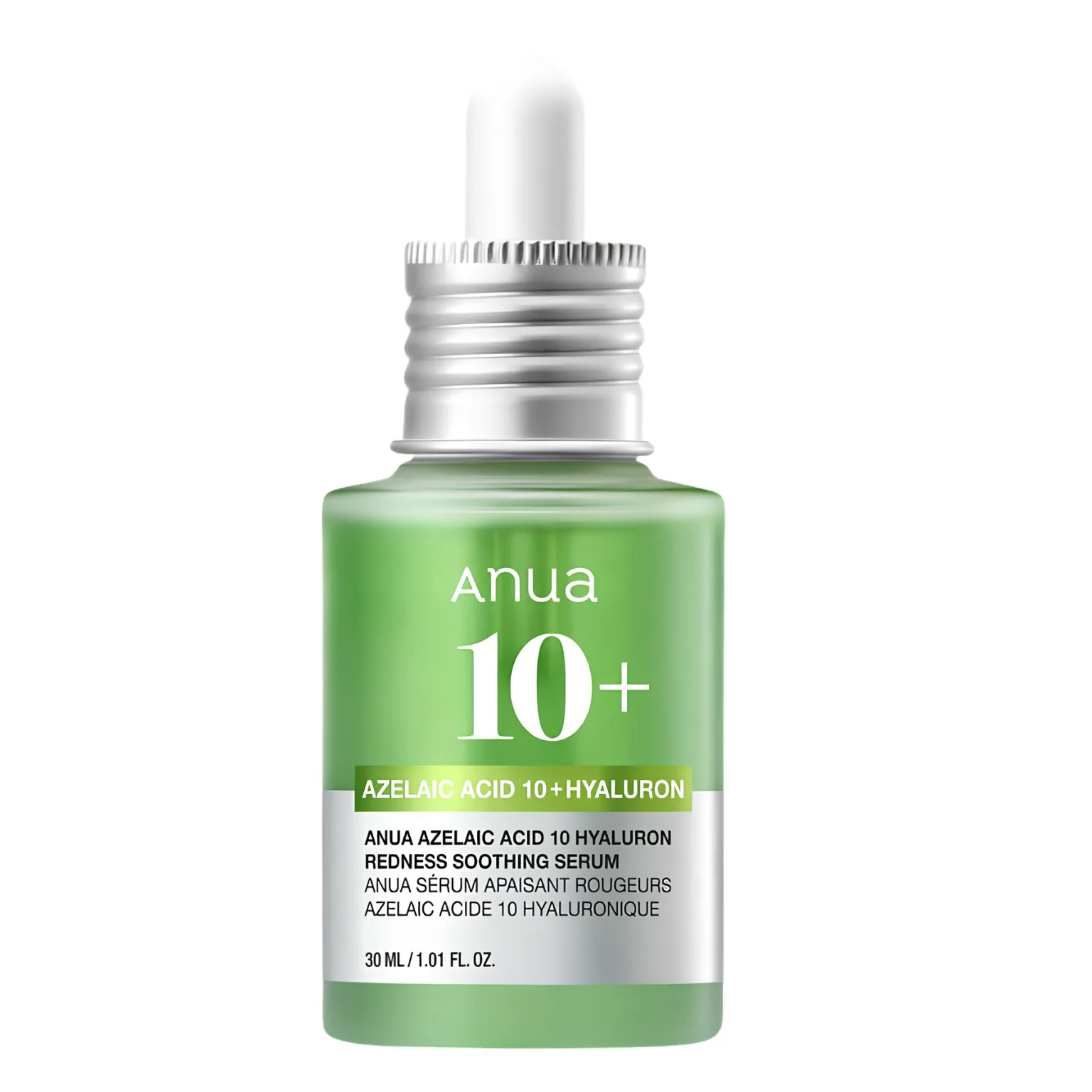
Azelaic acid: for breakouts and their marks
If you have dark marks alongside recurring breakouts, azelaic acid is a useful ingredient to consider. It helps improve uneven skin tone and also has a role in acne treatment.
Anua Azelaic Acid 10% is an option for this priority. Its formula combines azelaic acid with hydrating and soothing ingredients, helping you care for your skin while targeting the appearance of post-acne marks within a simple routine.
Niacinamide: for dark spots and uneven skin tone
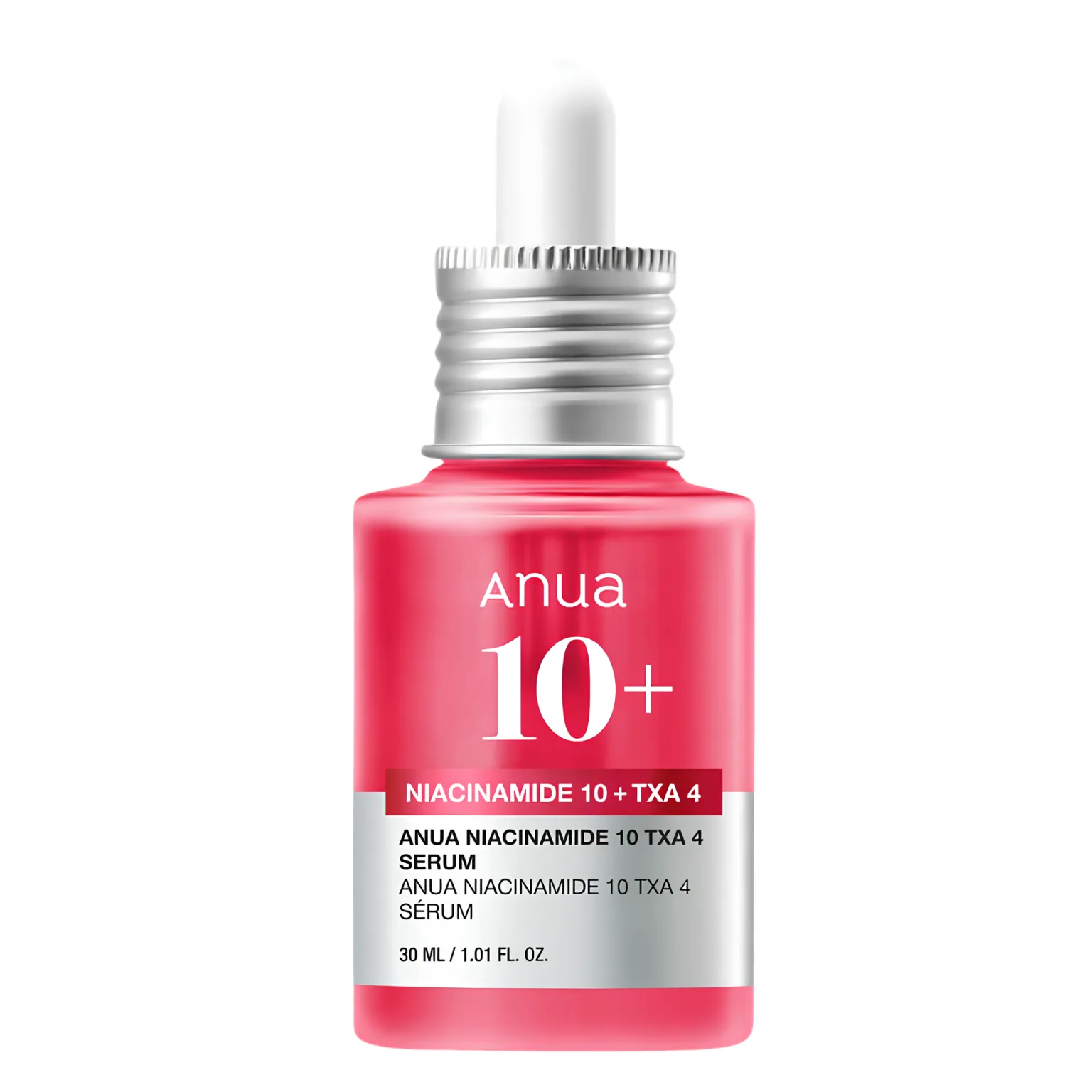
If your main concern is the brown marks left after breakouts, niacinamide helps reduce pigment transfer to surface skin cells, gradually improving the appearance of dark spots and uneven tone.
Anua Niacinamide 10% + TXA 4% combines niacinamide with tranexamic acid in a serum that targets the appearance of dark spots and uneven pigmentation. It is a practical choice when pigmentation is your main skincare priority.
Which One Should You Choose?
Recurring breakouts with lingering marks? Start with azelaic acid.
Breakouts have settled, but brown marks remain? Choose niacinamide with TXA.
Introduce one product gradually, following its directions, alongside a moisturiser and daily sunscreen. This keeps your routine clear and easy to maintain.
A Simple Skincare Routine for Post-Acne Marks
Morning: moisturise and protect
1. Gentle cleansing: Use a suitable cleanser according to your skin’s needs.
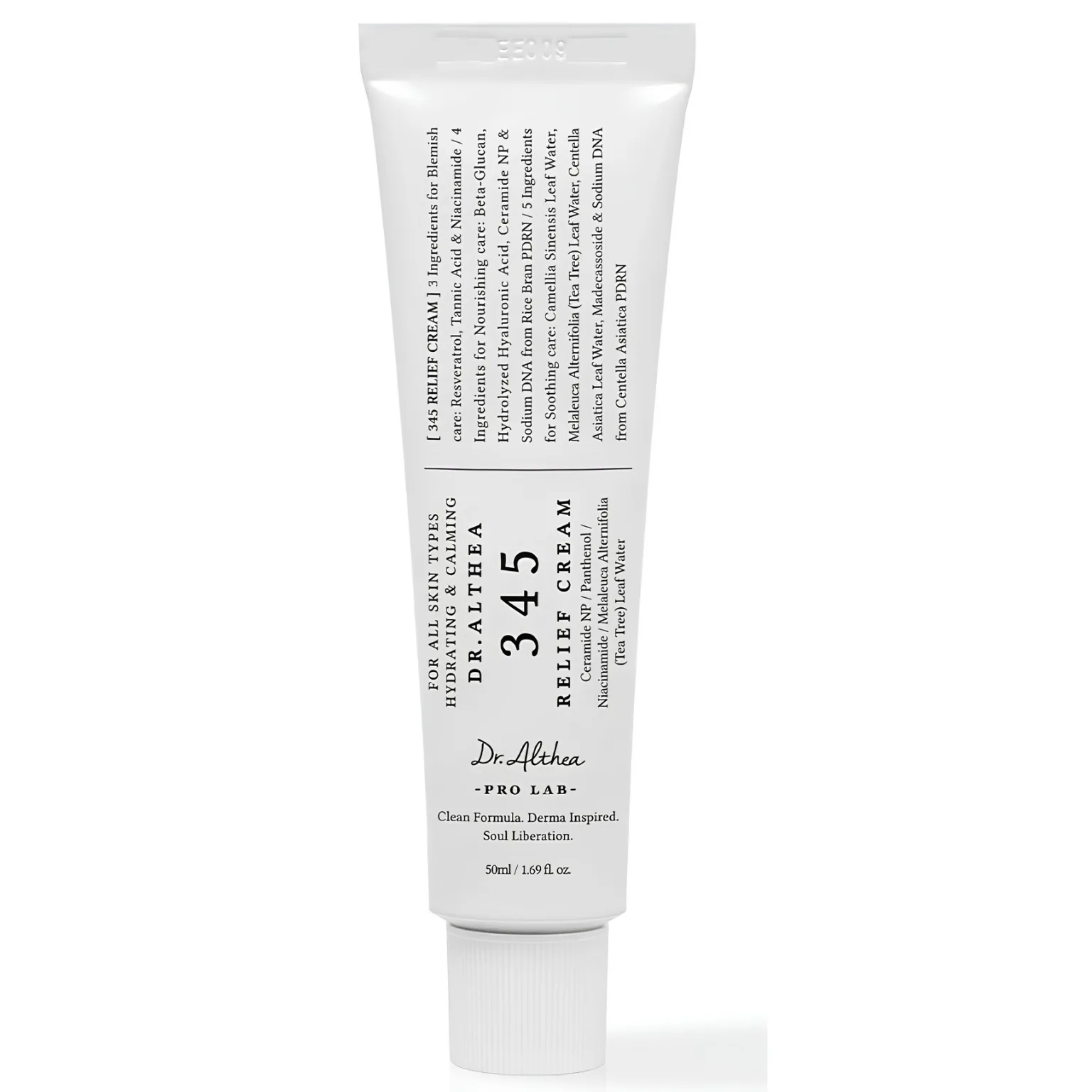
2. Moisturiser: Choose a texture that feels comfortable and keeps your skin hydrated.
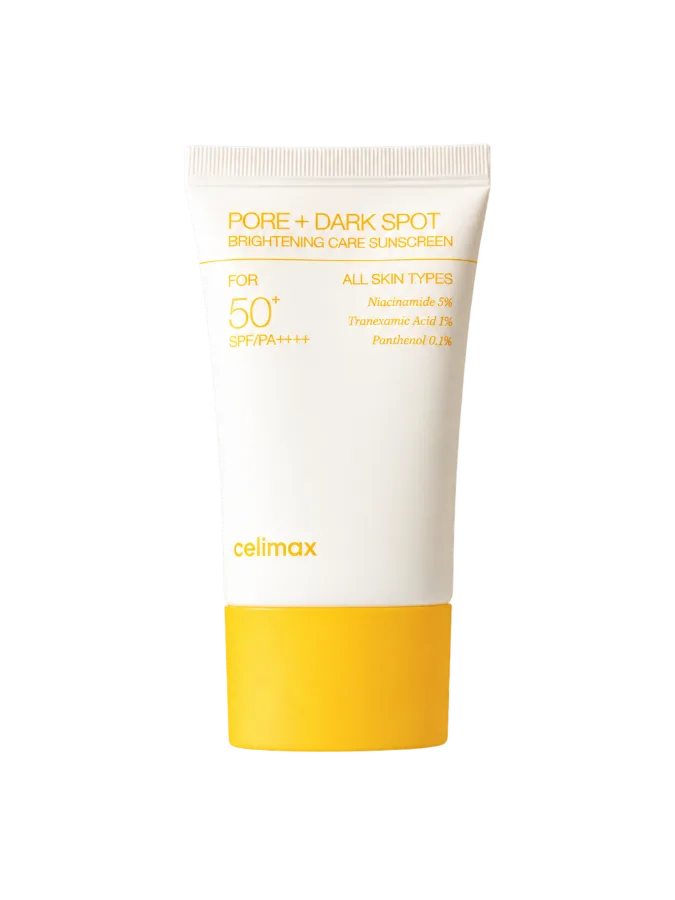
3. Sunscreen: Apply a broad-spectrum SPF 30 or higher. Reapply during sun exposure as directed, and after swimming or sweating.
For dark spots, a tinted sunscreen containing iron oxides can provide additional protection against visible light, which can contribute to pigmentation. Check the ingredient list to confirm that it contains iron oxides.
Evening: targeted care
1. Gentle cleanser to remove sunscreen and daily impurities.
2. Your chosen serum: Azelaic acid when breakouts and their marks are your priority, or niacinamide with TXA when you want to focus on brown spots.
3. Moisturiser to complete the routine and keep your skin comfortable.
Follow the product’s directions and increase use gradually as tolerated. If persistent irritation develops, stop using the product and reassess your routine before continuing.
What Helps You Get Better Results?
Leave blemishes alone
Picking or squeezing can increase inflammation and the risk of marks and scars. Treating a blemish gently is part of preventing the mark that may follow.
Keep exfoliation measured
Use exfoliants according to your skin’s needs and the product instructions. Over-exfoliation can irritate the skin and worsen pigmentation.
Stay consistent
A consistent routine makes it easier to assess progress. Introducing one new product at a time also helps you understand how your skin responds.
Make sun protection a daily habit
Your targeted serum and sunscreen work together in a pigmentation routine. Support sunscreen use with shade and a suitable hat when outdoors.
How Long Do Post-Acne Marks Take to Fade?
Improvement is gradual. The time needed depends on the type and depth of the mark, whether new breakouts continue and your exposure to sunlight.
Superficial dark marks can improve with consistent care, but some take many months to fade. Take progress photos in the same lighting every few weeks to make changes easier to assess.
Frequently Asked Questions About Post-Acne Marks
Do red acne marks and brown spots need the same routine?
They share the same foundations: gentle skincare, moisturising and sun protection. The targeted treatment differs. Brown spots call for ingredients that address pigmentation, while persistent redness needs a different assessment.
Do I need both azelaic acid and niacinamide with TXA?
Start with the product that best matches your main concern. Give your skin time to adjust and monitor its response. Building your routine step by step makes it easier to use consistently and evaluate.
Can a dark-spot serum treat indented acne scars?
Dark-spot serums target colour changes. Indented or raised scars need a dermatologist’s assessment to identify treatments that address skin texture.
When Should You See a Dermatologist?
Seek an assessment if you have deep or painful breakouts, developing scars, persistent redness or marks you are unsure about.
A dermatologist can also help if you are not seeing improvement despite following your routine consistently.
Start with the Right Choice for Your Skin
Identify your priority: recurring breakouts with marks, or brown spots after the breakouts have settled. Then choose a targeted step and support it with moisturising and daily sun protection.
Explore LADY SELENA’s skincare for dark spots and post-acne marks. If you need help choosing, send us your current product names and main concern, and we will help you find a suitable next step.
Educational content from the LADY SELENA Editorial Team. It does not replace medical diagnosis or treatment.